
The knowledge that
changes everything.
Documentaries, books, peer-reviewed research, and trusted organisations — curated by Dr. Nicolette Richer. Your understanding matters to us as much as your healing does.
— ABOUT THIS LIBRARYKnowledge is part
of the healing.
We believe an informed person heals more deeply. When you understand why this work is effective — what it does to the brain, the nervous system, and the body — you arrive at your healing journey with openness, trust, and a readiness that makes all the difference.
We are living through a profound shift in how the world understands mental health, trauma, and healing — and the science is leading the way.
Explore this library with curiosity and an open mind. We hope it provides the knowledge, perspective, and confidence you need to make the decision that feels right for you.
"The field of psychedelic therapy is moving quickly. The resources listed here represent the most rigorous, credible, and accessible entry points available. Whether you are a skeptic doing your first research or someone ready to take the next step, these are the places I trust."
— DR. NICOLETTE RICHER, DSOCSCI · Founder, Kulandira Healing
— BOOKSYour reading list starts here.
These are the books Nicolette returns to most often — both in her own practice and when recommending starting points to clients. They are rigorous, readable, and genuinely life-changing.
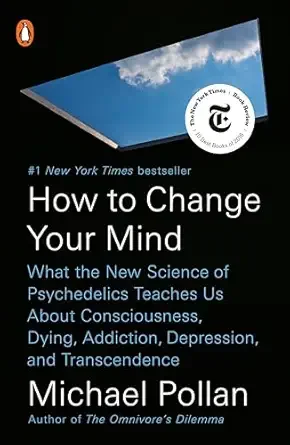
BEST ENTRY POINTHow to Change Your Mind
The book that brought psychedelic therapy into mainstream conversation. Pollan approaches the subject as a skeptical journalist and arrives, page by page, at something he did not expect. The single best entry point to the field for anyone who has never thought about this before.
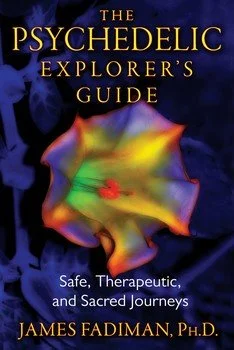
PRACTICAL GUIDE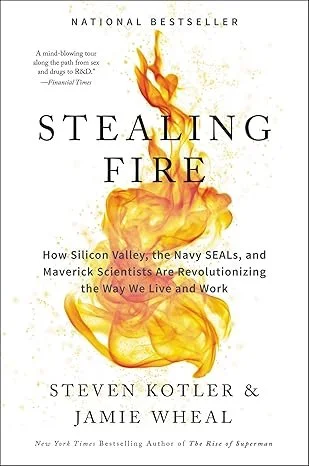
PERFORMANCE
FOUNDATIONAL
ESSENTIAL CONTEXT— FILMSFilms that change the conversation.
If you are new to psychedelic therapy and want to understand what it is, why it works, and what the experience can look like before reading a single study, start here. These films will give you a genuine understanding of psychedelic therapy, and they may move you in ways you do not expect.
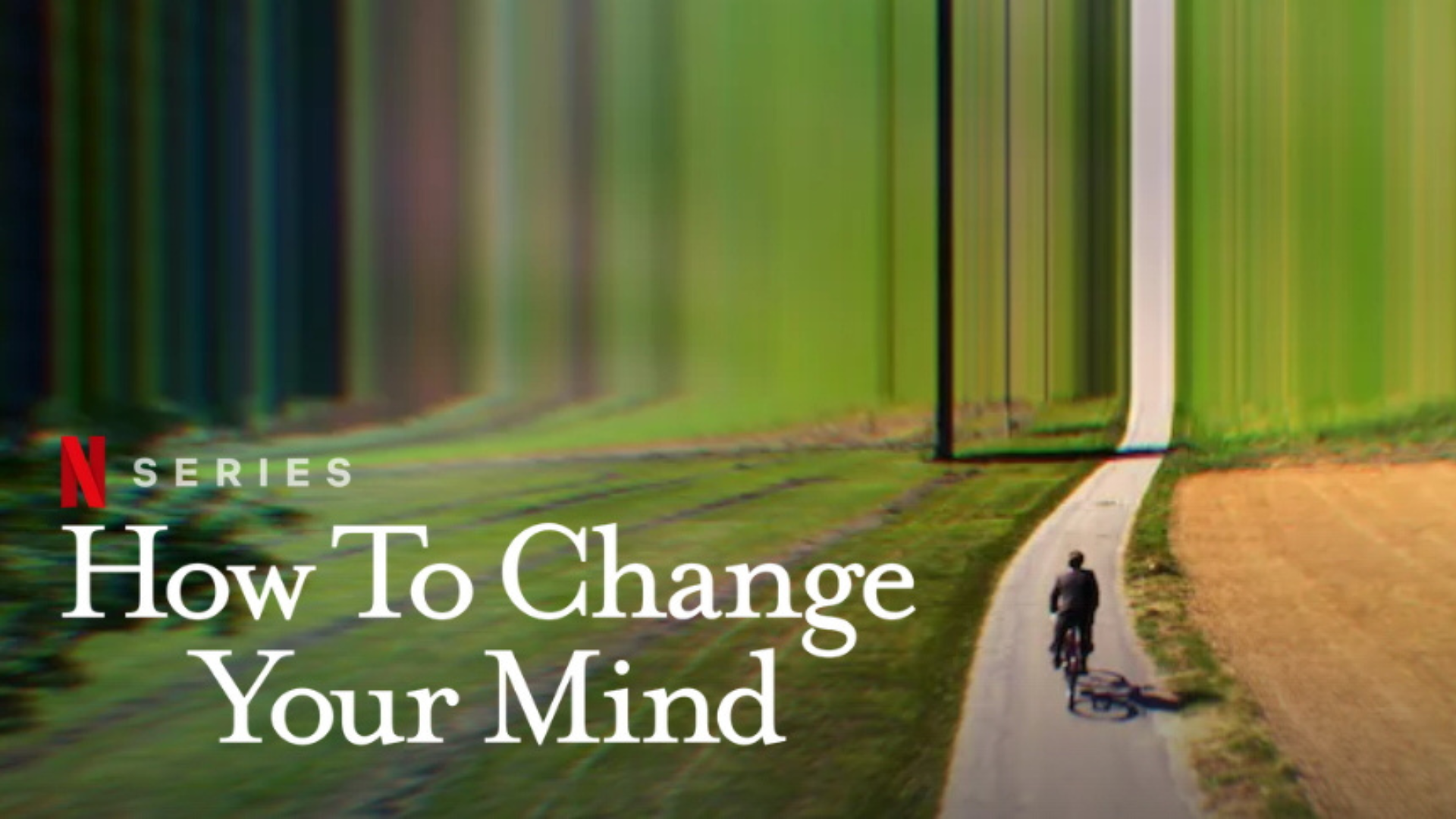
How to Change Your Mind
This four-part series covers LSD, psilocybin, MDMA, and mescaline through the lens of science, history, and personal experience. Pollan approaches each substance as a curious, thoughtful outsider — and arrives somewhere he did not expect. The most accessible introduction to the field available today.
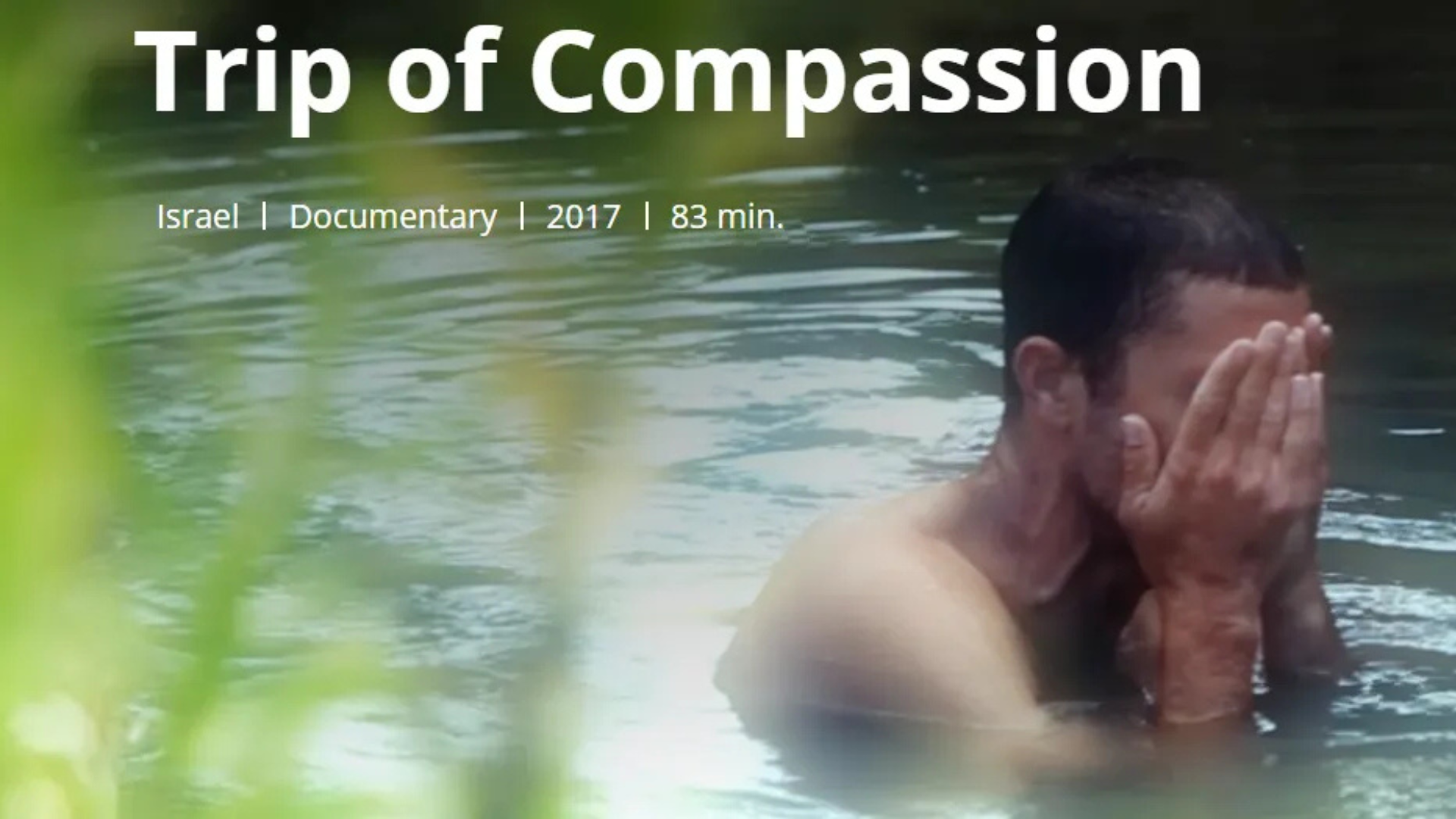
Trip of Compassion
Follows MDMA-assisted therapy sessions for PTSD in real time. Raw, intimate, and one of the most honest portrayals of the therapeutic process ever filmed. If you want to see what the work actually looks like — watch this.

Fantastic Fungi
A visually extraordinary exploration of the mycelium network and psilocybin's healing potential, featuring mycologist Paul Stamets. Equal parts science and wonder — it changes how you see the natural world entirely.

The Last Shaman
Follows a young man with treatment-resistant depression whose family takes him to the Amazon for ayahuasca healing. Personal and profound — it raises essential questions about the limits of conventional medicine.
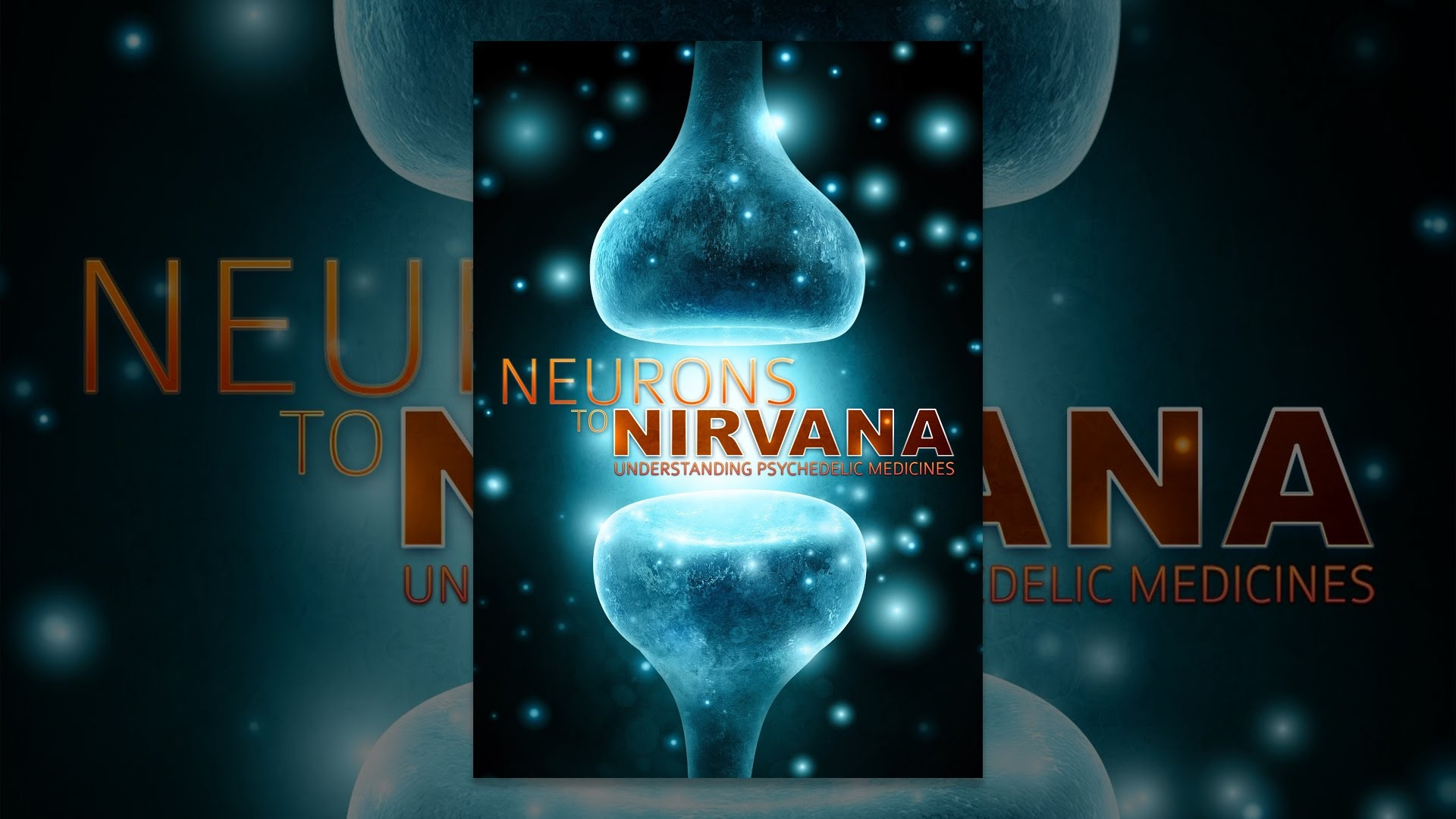
Neurons to Nirvana
A balanced, science-led examination of five major psychedelic compounds — LSD, psilocybin, MDMA, ayahuasca, and cannabis — through the lens of medicine, science, and culture. Rigorous and deeply informative.

In Waves and War
Three US Navy SEALs carrying years of war and treatment-resistant PTSD turn to ibogaine therapy as a last resort. One of the most honest and moving films about the cost of trauma — and the possibility of healing.
— RESEARCH AND STUDIESThe science is undeniable. Read the research.
The science of psychedelic therapy is now being conducted at some of the most prestigious institutions in the world. What follows are significant peer-reviewed studies published to date, organised by area of focus. All are available through standard academic databases — several are open access.
DEPRESSION
Trial of Psilocybin versus Escitalopram for Depression
Carhart-Harris R et al. · New England Journal of Medicine
The landmark head-to-head trial comparing psilocybin directly to escitalopram, a leading SSRI antidepressant. Psilocybin produced comparable results with more sustained effects, greater emotional improvements, and fewer side effects.
Key finding: Psilocybin showed significantly greater improvements in emotional processing, wellbeing, and meaning in life compared to the antidepressant over six weeks.
Effects of Psilocybin-Assisted Therapy on Major Depressive Disorder
Davis AK et al. · Johns Hopkins University
A rigorous controlled study examining psilocybin-assisted therapy for major depressive disorder in adults not currently taking antidepressants.
Key finding: 71% of participants showed a significant antidepressant response following just two psilocybin sessions, with effects maintained at follow-up.
ANXIETY
Psilocybin Produces Substantial and Sustained Decreases in Depression and Anxiety in Patients with Life-Threatening Cancer
Griffiths RR et al. · Johns Hopkins University
Examined psilocybin's effect on existential anxiety and depression in patients with life-threatening cancer diagnoses — one of the most emotionally resonant studies in the field.
Key finding: 80% of participants showed clinically significant reductions in anxiety and depression at six-month follow-up.
Rapid and Sustained Symptom Reduction Following Psilocybin Treatment for Anxiety and Depression in Patients with Life-Threatening Cancer
Ross S et al. · New York University
The NYU companion study to the Johns Hopkins research, confirming Griffiths' findings from an entirely independent research team — significantly strengthening the evidence base.
Key finding: Independent replication of large, rapid, and sustained reductions in anxiety and depression following psilocybin treatment.
PTSD
MDMA-Assisted Therapy for Severe PTSD
Mitchell JM et al. · MAPS Phase 3 Clinical Trial
The Phase 3 clinical trial for MDMA-assisted therapy for PTSD — one of the largest and most rigorous trials of a psychedelic compound ever conducted. Published in one of the world's most prestigious scientific journals.
Key finding: 67% of participants in the MDMA group no longer met diagnostic criteria for PTSD after treatment — compared to 32% in the placebo group.
MDMA-Assisted Psychotherapy for PTSD in Military Veterans and First Responders
Mithoefer MC, Mithoefer AT, Feduccia AA et al.
A randomised, double-blind, dose-response Phase 2 clinical trial examining MDMA-assisted therapy in military veterans, firefighters, and police officers carrying chronic, treatment-resistant PTSD — one of the most difficult and underserved patient populations in mental health treatment.
Key finding: Active doses of MDMA combined with psychotherapy produced significant reductions in PTSD symptom severity in veterans and first responders who had not responded to previous treatments — with effects maintained at the 12-month follow-up.
INTEGRATION
Psychedelic Integration: An Analysis of the Concept and Its Practice
Bathje GJ, Majeski E and Kudowor M · Adler University, Chicago
A comprehensive analysis of psychedelic integration available in the published literature. Open access — freely available online. Foundational for understanding why what happens after the session matters as much as the session itself.
Key finding: Integration support significantly improves long-term outcomes and is identified as a critical variable in sustained healing following psychedelic therapy.
NEUROSCIENCE
REBUS and the Anarchic Brain: Toward a Unified Model of the Brain Action of Psychedelics
2019 · Carhart-Harris RL and Friston KJ · Imperial College London & University College London
A theoretical paper on how psychedelics work at the neurological level. Proposes a unified model explaining why psychedelics disrupt entrenched patterns of thought and behaviour — the neuroscience behind the healing.
Key finding: Psychedelics promote neuroplasticity by temporarily reducing the brain's rigid predictive hierarchies, allowing new patterns and perspectives to emerge.
Psychedelics and the Autonomic Nervous System: A Perspective on Their Interplay and Therapeutic Potential
Li H, Wang H, Wang X et al. · PMCID: PMC11915027
Examines how psychedelics restore balance to the autonomic nervous system — the physiological foundation of the trauma response and the reason so many people feel physically transformed, not just emotionally changed.
Key finding: Psychedelic compounds demonstrate measurable therapeutic potential in restoring autonomic nervous system regulation — directly relevant to trauma, chronic stress, and inflammation.
IDENTITY
Ego-Dissolution and Psychedelics: Validation of the Ego-Dissolution Inventory (EDI)
Frontiers in Human Neuroscience · 2016 · Nour MM, Evans L, Nutt D and Carhart-Harris RL · Imperial College London
The study that formally validated ego-dissolution as a measurable psychological state specific to psychedelic experiences — and distinct from the effects of other substances including cocaine and alcohol. Foundational for understanding how psychedelics uniquely dissolve rigid self-structures in ways that open the door to healing.
Key finding: Ego-dissolution is specific to classical psychedelics and correlates positively with drug dose and mystical experience intensity — supporting its role as a core mechanism of psychedelic-assisted therapeutic change.

— ORGANISATIONS AND RESEARCH INSTITUTIONSTrusted voices. Credible sources. Explore.
These are the organisations whose work Nicolette returns to consistently — trusted, rigorous, and accessible online. All are independently funded and committed to the responsible development of psychedelic medicine.
MAPS
Multidisciplinary Association for Psychedelic Studies. The leading nonprofit dedicated to the development of psychedelics as prescription medicines. Home to the most extensive MDMA research database in existence.
John Hopkins Center for Psychedelic and Consciousness Research
The world's first dedicated psychedelic research center at a major academic medical institution. Home to landmark psilocybin depression and addiction studies.
Imperial College London — Centre for Psychedelic Research
Home to some of the most rigorous neuroimaging research on psychedelics available — including the landmark NEJM psilocybin vs antidepressant trial.
MAPS Canada
Canadian-specific resources, research, and practitioner networks for psychedelic-assisted therapy. The most relevant organisation for those seeking information within the Canadian regulatory context.
Usona Institute
Non-profit organisation conducting psilocybin research with a specific focus on existential distress and treatment-resistant depression. Rigorous, independent, and mission-driven.
Heffter Research Institute
One of the pioneering institutions in psilocybin research. Funded the early Johns Hopkins and NYU studies that established the modern evidence base for psychedelic therapy.
READY TO BEGIN?Every journey begins
with a conversation.
If you are ready to explore this work for yourself — and want to do so in a setting that upholds the highest standards of safety, ethics, and care — we invite you to connect with us.